
Whether you’re chasing a quicker parkrun, building up to a half-marathon or simply enjoying a jog along the Harbourside, running asks a lot of your body. Pilates can help you develop strength, control and mobility alongside your miles, not instead of them.
And unlike another tough session to squeeze in, it’s the workout many runners tell us they actually look forward to: beginner friendly, not intimidating, and something for every level, from nervous first-timers to seasoned athletes. It’s also their reset button: an hour where training plans, work and the day’s noise go quiet, and they leave with their head as settled as their body.
The key is to fit the right session into the right part of your week. Here’s how to make Pilates work with your running, and how to choose a class at M.O Pilates’ Clifton or Harbourside studio.
Why might runners benefit from Pilates?
Running is repetitive: each stride asks you to control your body as you land, stabilise and push off, often on one leg at a time. Pilates trains many of the same supporting qualities, but in a lower-impact setting.
1. Core strength for posture when you’re tired
Your trunk muscles help control your pelvis and upper body as your legs move. When fatigue sets in, that control can become harder to maintain. Pilates gives you a chance to practise steady, coordinated movement while breathing. Skills that may help you stay more organised through a long run.
Translation? You can practise holding a tall, relaxed posture instead of letting your shoulders creep towards your ears.
Many runners also arrive with niggles: tight hips from desk days, a lower back that complains after long runs. Building strength and control in these areas is one reason clients tell us they feel less pain and stronger in their running, not just on the mat.
2. Hip stability and single-leg control
The hips and glutes contribute to controlling your leg as your body moves over your foot. Exercises that build strength and neuromuscular coordination can help you practise this control on each side.
That doesn’t mean a class can guarantee injury prevention. Evidence on running injuries is complex, and Pilates-specific research is still limited. A supervised hip-and-core exercise programme has shown promise in novice recreational runners, but the result shouldn’t be taken as proof that Pilates prevents injuries for every runner.
Translation? Pilates can be a useful part of a balanced training plan, not a shield against every ache or injury.
3. Mobility and movement through range
Controlled Pilates work can help you explore movement through your hips, spine and ankles without adding another run to your week. Mobility is most useful when it supports comfortable movement, rather than forcing a stretch or chasing a particular shape.
4. A different training stimulus
Running primarily trains you to run. Pilates provides another way to work on strength, balance and control, with options to adjust the challenge. Some runners also enjoy an easier class as a change of pace, but treat it as a chance to move, not a guaranteed shortcut to faster recovery.
There’s a mental benefit too. Training plans, race nerves and busy weeks can pile up, and many clients describe their class as genuine stress relief: focused movement, controlled breathing and an hour where the mind goes quiet. That mental reset is part of why they keep coming back.
Pilates complements running; it doesn’t replace it
If your goal is to improve as a runner, your running plan still matters: regular, appropriately paced miles, recovery time and gradual progression all have a role. Pilates can complement that plan by training qualities your runs may not focus on as directly.
A small study of trained runners reported improved 5K performance after a 12-week Pilates programme, but it’s one study with a limited number of participants. It’s encouraging, not a promise of a faster personal best. Think of Pilates as a supportive part of your overall training, not a substitute for running, strength training tailored to your needs, or advice from a health professional.
You may notice a difference from your first session in how aware you feel of your posture, balance or core engagement. Lasting strength and movement changes take consistent practice.
A realistic weekly schedule for runners
Use these as starting points, not strict rules. Your running volume, experience, sleep and how you feel all matter. Keep the most demanding sessions separated where possible, and avoid adding a challenging class just before your key run if you know it leaves you fatigued.
Casual 5K or parkrun runner
Two to three runs across the week, including your parkrun if that’s part of your routine.
One Pilates class, ideally on an easy-run day or a separate day.
Keep at least one day easy or restful.
For example: an easy run on Tuesday, Pilates on Thursday and parkrun on Saturday. Adjust around your schedule and how your body responds.
Half-marathon training
Three to four runs, including a long run and any planned faster session.
One Pilates class most weeks; consider a second lighter session if you already recover well and your plan allows.
Avoid placing a demanding strength class immediately before your long run or intervals.
For example: Pilates on Monday after a rest day, an easy run on Tuesday, a faster session later in the week and a long run at the weekend.
Marathon build
Follow your running plan first. Long runs and key sessions need room for recovery.
Start with one Pilates session a week, then reassess as training builds.
Choose a class and intensity that leave you feeling capable of completing your planned runs, not drained.
During heavier weeks, a shorter or gentler session may be more appropriate than adding another full-on workout. If you’re unsure, our instructors can help you choose a class to fit your training week.
Evidence note: A small 2018 study reported improvements in 5K performance following a 12-week Pilates programme in trained runners (PubMed). A separate supervised hip-and-core exercise trial in novice recreational runners provides relevant context, but is not a Pilates study (British Journal of Sports Medicine).
Which M.O Pilates class could suit you?
Reformer Pilates: progressive strength and control
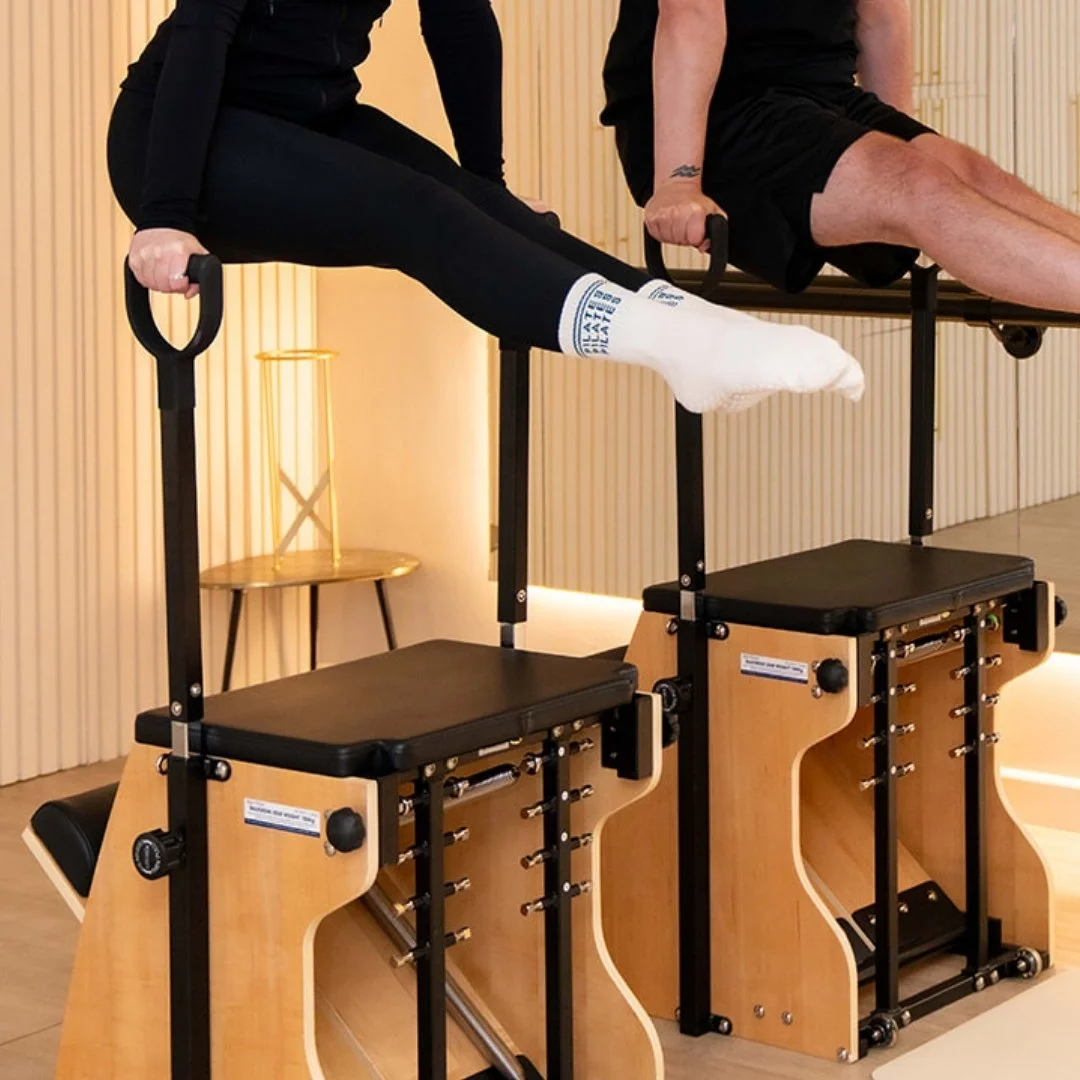
Our Reformer classes use the 3-phase M.O Method: CoreForm builds foundations and movement control; FitForm develops muscular endurance; and StrongForm adds a greater strength challenge. The guided resistance and expert instruction give you ways to practise alignment, core strength and controlled movement.
If you’re new to Reformer, start with CoreForm. It’s available at both our Clifton and Harbourside studios. Find out more about the M.O Method.
Translation? You get a structured strength session that can progress with your experience.
Mix’d Sculpt & Strength: a circuit-style challenge
Mix’d combines Pilates with fitness circuits, offering a more varied, full-body strength session. It may suit runners who enjoy changing pace and want to include a more energetic strength workout. It’s a challenging option, so consider where it sits in relation to your key runs.
Hot Pilates: movement in the infrared-heated studio
Our Hot Pilates classes take place in the infrared-heated mat studio at Clifton. The warm setting and controlled mat work may appeal if you enjoy a slower, mobility-focused session. Heat can make exercise feel more demanding, so hydrate, take breaks and move at your own pace. There’s no pressure to power through.
Barre & Mat: low-impact strength and endurance
Barre and Mat Pilates offer low-impact ways to work on strength, balance and muscular endurance. They’re available at Clifton and can be a good fit when you want a class without adding more running impact.
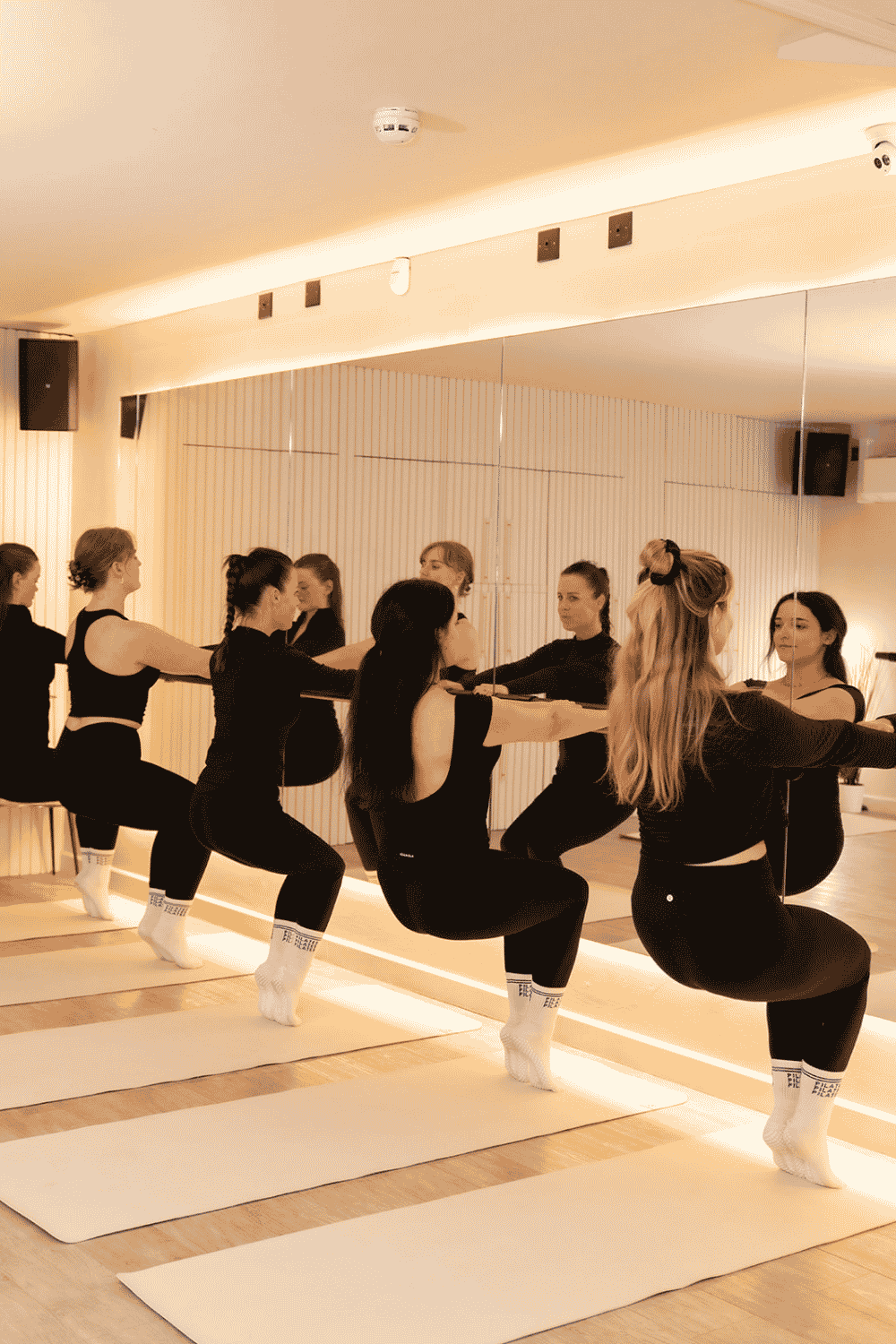
Looking for barre classes Bristol runners can fit around their training? Check the Clifton schedule. For reformer pilates Bristol classes near the Harbourside, see the Harbourside schedule.
What to expect
Your instructor will guide you through the exercises and offer options to adjust the challenge. Let them know you’re running and whether you have a key session or race coming up. You can take movements at your own pace, pause when you need to and ask for a modification.
There’s no pressure to power through and no expectation to match anyone else in the room. Classes are beginner friendly by design, so if it’s your first time on the equipment, you’ll be looked after, and if you’re a seasoned runner chasing an edge, there’s a progression for you too. There’s something for every level.
If you’re searching for pilates classes near me in Clifton, Cotham, Redland, Southville or around Wapping Wharf, M.O Pilates has two Bristol studios. Reformer classes run at both; Hot Pilates, Barre and Mat classes are at Clifton. You can read more about our Clifton and Harbourside studios.
Frequently asked questions
How often should I do Pilates when I’m running?
Begin with one session a week and see how it fits with your runs and recovery. Add more only if you’re recovering well and it supports your goals.
Should I do Pilates before or after a long run?
There’s no single answer. Avoid a demanding class right before your long run or intervals. Some runners prefer Pilates on an easy day; others place a gentle session after a harder effort. Notice how you respond and adjust.
Will Pilates prevent running injuries or make me faster?
It can help you practise strength, balance and movement control, but it cannot guarantee injury prevention or a faster time. If you have ongoing pain or an injury, seek advice from a qualified healthcare professional.
What should I wear, and do I need grip socks?
Wear comfortable gym or yoga clothing that lets you move freely. Grip socks are required for Reformer and equipment classes; bring your own or ask at the studio.
Where can I park?
At Clifton, parking is available at Clifton Down Shopping Centre or on surrounding metered roads. At Harbourside, options include Wapping Wharf and Asda car parks, as well as surrounding metered roads. Check local restrictions before you travel.
Find your rhythm
A well-placed Pilates class can give your running week a fresh training stimulus, with expert instruction and state-of-the-art facilities, including infrared heating at Clifton. Choose a session that fits your plan, build gradually and listen to your body.
New to M.O Pilates? Try 3 classes for £52 with our new client intro offer. Choose Clifton or Harbourside when booking, and find the class that feels right for your running goals.