
Looking For Barre Classes in Bristol? Here Are 5 Things You Should Know Before You Hit the Studio
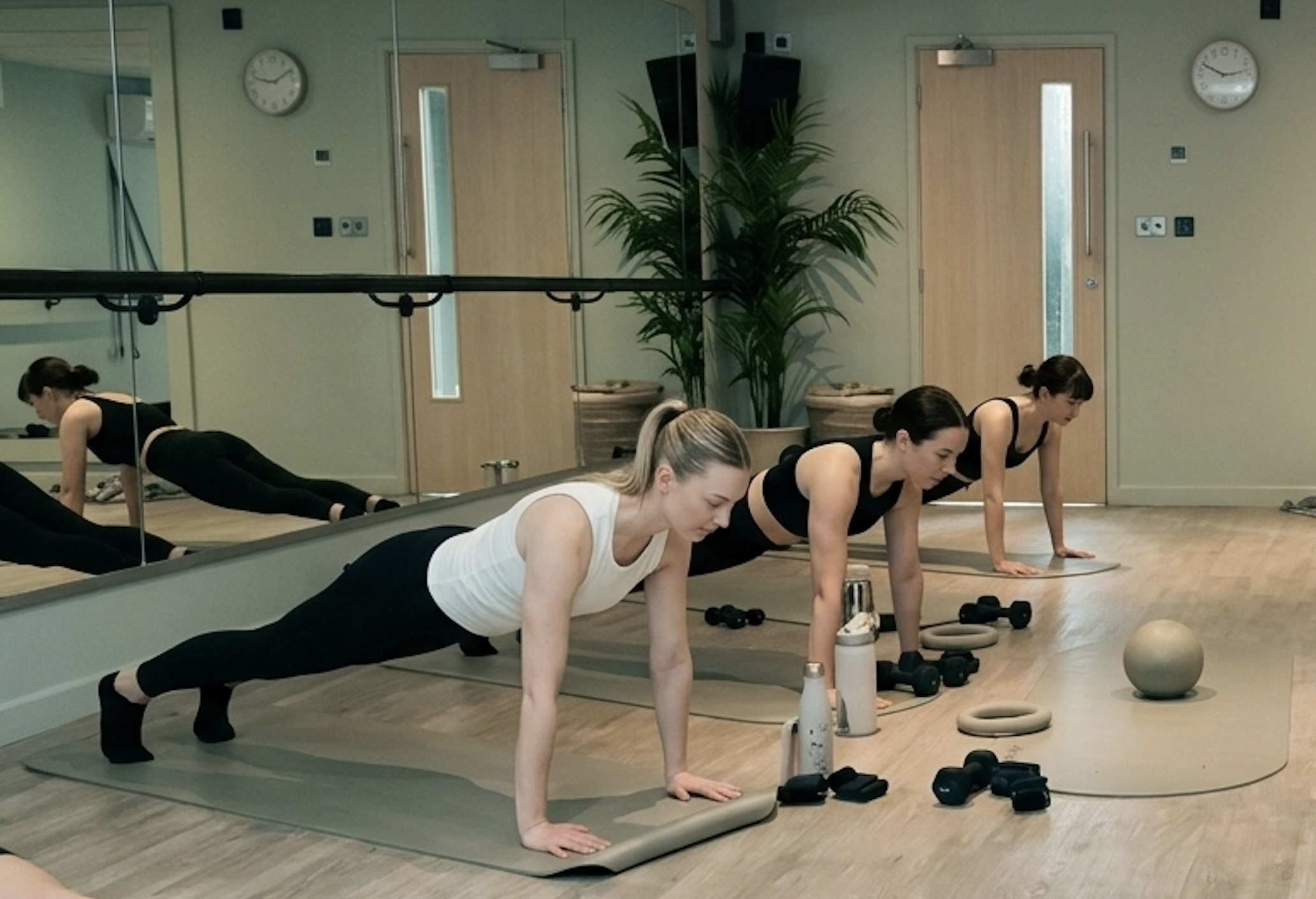
If you’ve been wandering through Clifton Village, strolling along Whiteladies Road, or grabbing a coffee in Cotham Hill, you’ve likely heard the buzz about Barre. It’s the workout that seems to be everywhere in the Bristol fitness scene right now, and for good reason. But if you’re new to the world of isometric holds and micro-movements, the idea of stepping into a pilates studio in Bristol for a Barre class can feel a little intimidating.
Is it a dance class? Do you need to be flexible? What exactly is "the tuck"?
At M.O Pilates, we believe that movement should be empowering, not exclusive. Our signature approach to Barre classes in Bristol isn’t about perfect pirouettes; it’s about deep muscular fatigue, precision, and building a body that moves with ease through your everyday life.
Before you book your spot at our studio, here are 5 things you should know to help you feel confident, prepared, and ready to embrace the burn.
1. The Burn is Real: What to Expect Physiologically
If you’ve ever seen a Barre class from the outside, it might look... easy. There are no heavy barbells, no high-impact jumping, and the movements often span no more than a few inches.
Translation? Don’t let the small movements fool you.
Barre is built on the principle of isometric contractions. Unlike traditional weightlifting where you move a joint through a full range of motion (eccentric and concentric phases), Barre asks you to hold a specific position while adding tiny "pulses." This maintains constant tension on the muscle, specifically targeting slow-twitch muscle fibers.
The Science of the Shake:
When your legs start to tremble mid-plie, that’s your neuromuscular system reaching a point of fatigue. You are essentially challenging your muscles to maintain stability under duress. This process increases muscular endurance and "sculpts" the muscle without the high-impact stress on your joints.
What to Expect:
Low-impact, high-intensity: You’ll get your heart rate up and your muscles firing without the jarring of a treadmill.
The "M.O Burn": You will feel muscles you didn't even know you had, specifically those deep stabilizers in your glutes and core.
No pressure to power through: We encourage you to take it at your own pace. If the shake becomes too much, you reset and jump back in.
2. Leave the Tutu at Home: No Dance Experience Required
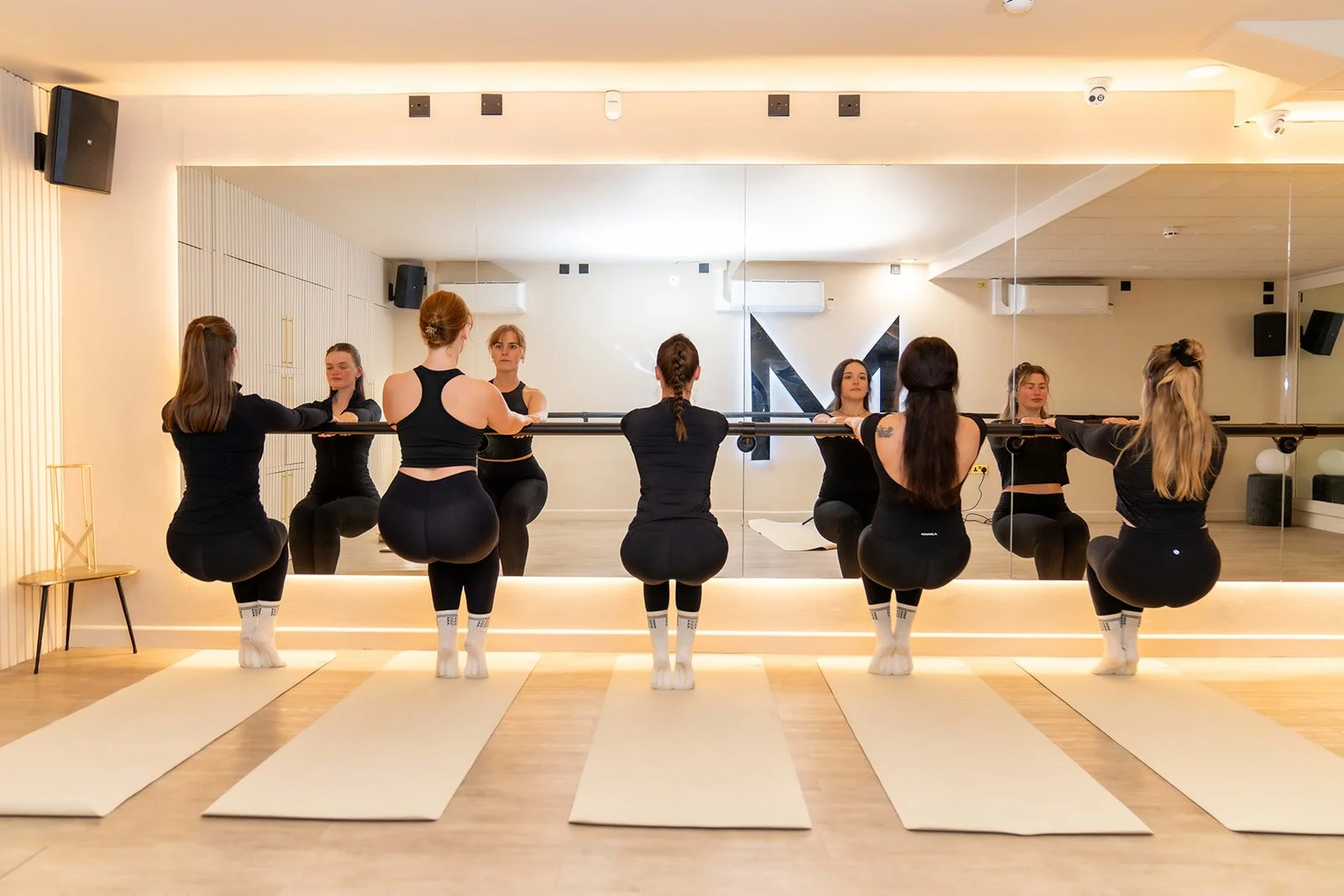
One of the biggest misconceptions about barre classes in Bristol is that they are secretly ballet lessons. Let’s clear that up right now: you do not need to be a dancer to excel at Barre.
While we use a ballet barre for balance and stability, the "M.O Method" version of Barre is a functional fitness workout. We take the alignment and discipline of ballet and marry it with the core-centric focus of Pilates and the strength-building of functional training.
Perfect For:
Fitness enthusiasts looking to cross-train and improve their stability.
Busy professionals who need an efficient, 50-minute "reset."
Total beginners who want a challenging workout that is easy on the joints.
You won't be asked to perform a complex choreography or a grand jeté. Instead, you'll be focusing on neuromuscular coordination, learning how to engage your core while moving your limbs independently. It’s about building a mind-body connection that translates to better posture when you’re sitting at your desk.
3. Yes, It’s Normal to Feel Sore the Next Day
If your thighs, glutes, or deep core feel surprisingly worked the day after your first Barre class, that’s completely normal, even if you already work out regularly.
Barre challenges the body in a very specific way. Those tiny pulses, holds, and deep stabilising positions switch on smaller supporting muscles that often get missed in more traditional training. We’re talking about the deep postural system, the muscles responsible for stability, alignment, and neuromuscular coordination.
Translation? Those small movements go deep.
Because you’re spending time under constant tension, your muscles build up fatigue in a different way to a run, spin class, or gym session. That post-class soreness is often a sign that you’ve tapped into muscles that haven’t been asked to work quite like that before.
Why you might feel it the next day:
Deep muscle recruitment: Barre targets smaller stabilising muscles in the hips, glutes, core, and inner thighs.
Isometric holds: Holding tension without big movement creates serious muscular demand.
Precision over momentum: There’s nowhere to "cheat" the movement, so the right muscles have to fully switch on.
The good news? Your body adapts quickly. Each week, you’ll build more strength, more body awareness, and more confidence in the movements. That shaky-leg feeling starts to feel less intimidating and more like proof that you’re getting stronger.
What to Expect:
A little soreness is normal: Especially after your first few classes.
You can take it at your own pace: No pressure to power through every pulse or hold.
Confidence builds fast: The more often you come back, the more familiar and effective the class feels.
4. The Pulse and The Tuck: Understanding the Terminology
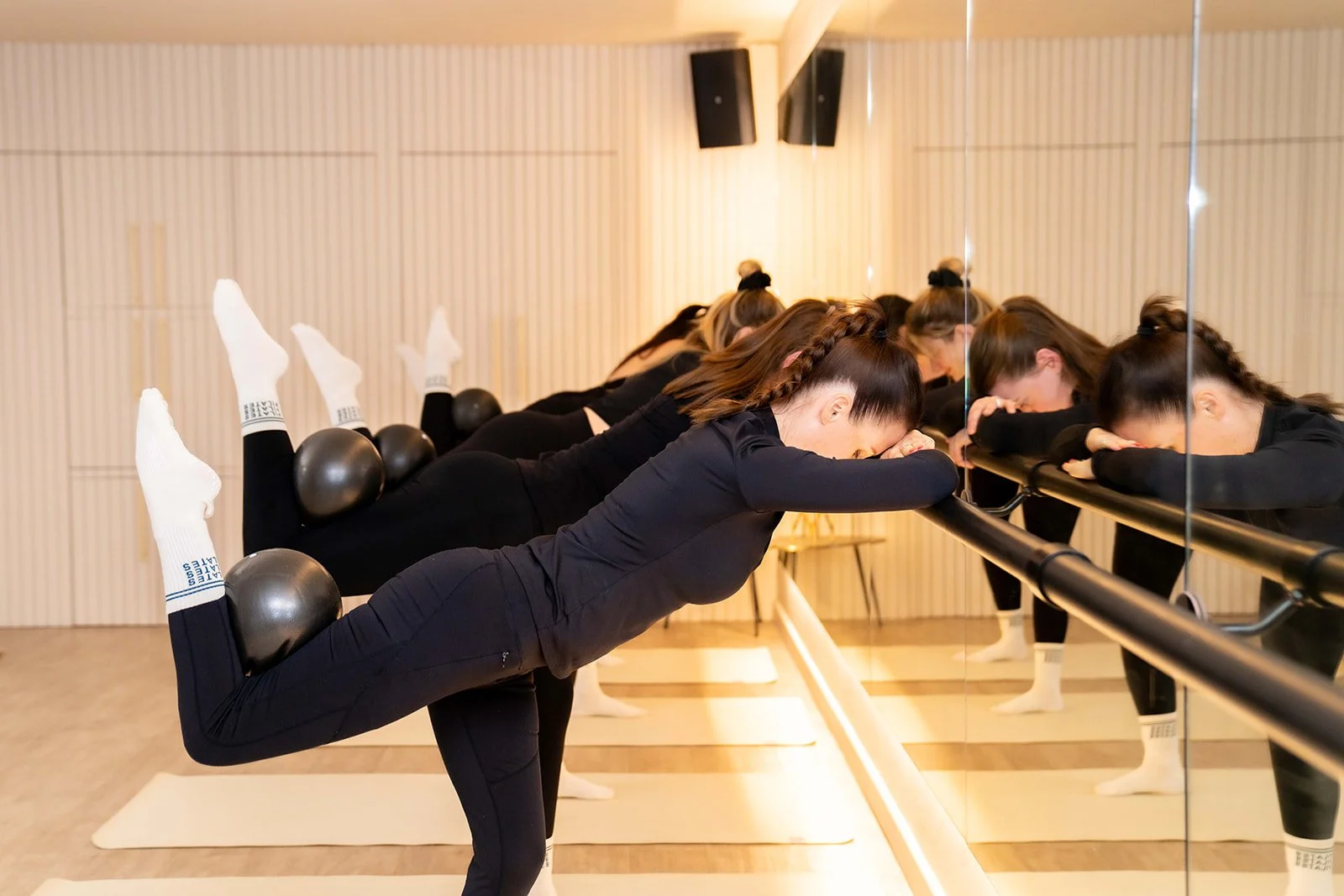
If you're brand new to Barre, these are the two cues you’ll hear most often: the tuck and the pulse. Once you understand them, the whole class starts to make a lot more sense.
The tuck is not about dramatically curling your spine or forcing your hips forwards. It’s about finding a more neutral pelvis so your lower back feels supported and your deep core can properly switch on. Done well, it helps you create more stability through the trunk and stops the movement dumping into the lumbar spine.
The pulse is the tiny movement that keeps you in the hardest part of the exercise, often called the work zone. Instead of coming out of the challenge, you stay right in it with small, controlled reps that keep constant tension on the muscle.
Translation? The tuck sets you up. The pulse keeps you working.
When these two cues come together, Barre starts to feel less random and far more intentional. You’re not just moving for the sake of it, you’re creating precision, deep muscular engagement, and better alignment from the inside out.
5. Alignment Over Power: Why Precision Trumps Effort
Barre isn’t about how high you can kick or how hard you can move. It’s about the geometry of the body and how well you can hold the right position under tension.
Momentum is the enemy here. If you’re swinging your limbs, rushing the movement, or trying to force range, the muscles aren’t doing the work in the way they’re meant to. The challenge in Barre comes from staying organised, controlled, and precise.
Small tweaks create big changes. Rotating your thigh by an inch, softening your ribs, or dropping your shoulders away from your ears can suddenly switch the exercise from manageable to seriously challenging. That’s where the deep burn comes from, not from going bigger or faster.
If it feels easy, you’re likely using momentum or missing the alignment. That’s not a failure, it’s just a cue to check in. Ask your instructor for a micro-adjustment and you’ll usually feel the difference straight away.
Ready to Start? The Intro Offer
We know that trying a new studio can be a big step. That’s why we’ve made it as easy as possible to get started. We don’t want you to just take one class and leave; we want you to experience the cumulative benefits of the M.O Method.
The New Client Intro Offer:
3 Classes for £52
This offer is the perfect way to "sample" our range. You could try a Barre class, follow it up with a Reformer Pilates session, and then finish the week with a Hot Pilates class in our infrared-heated studio.
By your third class, you’ll start to notice the "Barre effect": your posture will feel taller, your core tighter, and your energy levels significantly higher.